CUMC Home | Columbia University | Jobs at CUMC | Contact CUMC | Find People
     
Columbia University Medical Center logo,Positioning Line Discover. Educate. Care. Lead.
text-only version link  Home About CUMC Research Education Patient Care CUMC Newsroom
 
Department of Communications
News Home
Press Releases
Features Stories archive
Publications
CUMC Newsletter (InVivo)
CUMC in the News
CUMC Experts
About Us


Rosemary Keane
Chief Communications Officer
rk2152@columbia.edu

701 W. 168th St.
HHSC 2-206
New York, NY 10032

Phone: 212-305-3900
Fax: 212-305-4521
cumcnews@columbia.edu


 Media Contacts:
Elizabeth Streich
P: 212-305-6535
eas2125@columbia.edu

Alex Lyda
P: 212-305-0820
mal2133@columbia.edu

Karin Eskenazi
P: 212-342-0508
ket2116@columbia.edu


 Publications Contacts:
Bonita Eaton Enochs
P: 212-305-3877
edb3@columbia.edu

Susan Conova
P: 212-342-0507
sc2100@columbia.edu

Columbia University Medical Center Newsroom

Featured News
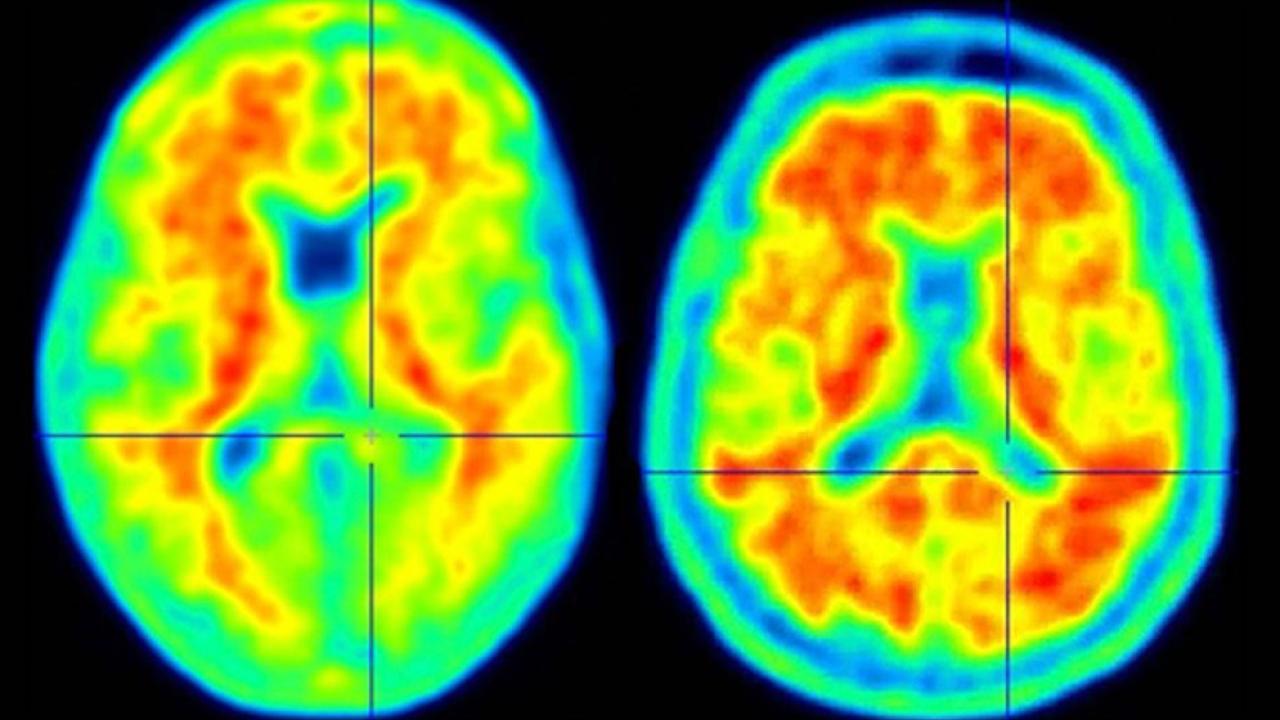
Mediterranean Diet Helps Retain Thinking & Memory by Protecting Brain from Damage, According to a New Study by Dr. Nikolaos Scarmeas


Inhibiting Serotonin in Gut Could Cure Osteoporosis
An investigational drug that inhibits serotonin synthesis in the gut, administered orally once daily, effectively cured osteoporosis in mice and rats reports an international team led by researchers from Columbia University Medical Center, in the Feb. 7 issue of Nature Medicine. Serotonin in the gut has been shown in recent research to stall bone formation. The finding could lead to new therapies that build new bone; most current drugs for osteoporosis can only prevent the breakdown of old bone.


Sodium-Detecting Taste Receptors Identified


Dr. Craig R. Smith Named Chair of Surgery
One of the nation's leading cardiac surgeons, Craig R. Smith, M.D., has been appointed chairman of the Department of Surgery at Columbia University College of Physicians and Surgeons and surgeon-in-chief at NewYork-Presbyterian Hospital/Columbia University Medical Center and its Vivian and Seymour Milstein Family Heart Center. Dr. Smith, the Calvin F. Barber Professor of Surgery, has served as interim chair of the department since 2007.


New Optical Imaging Technology Helps Measure Synaptic Activity in the Brain
Columbia University researchers have developed a novel fluorescent probe for optical imaging and measurement of synaptic activity in the brain.


New Therapy May Fill a Void in Suicide Prevention


Reducing Salt Intake Could Mean Fewer Heart Attacks, Strokes and Deaths
Reducing salt in the American diet by as little as one-half teaspoon (or three grams) per day could prevent nearly 100,000 heart attacks and 92,000 deaths each year, according to a new study. Such benefits are on par with the benefits from reductions in smoking and could save the United States about $24 billion in healthcare costs, the researchers add.


     More >>

Last updated  2/9/2010
CUMC Expert Resource
picture of John A. Chabot, M.D.John A. Chabot, M.D.
Pancreatic Cancer
While pancreatic cancer remains the 4th leading cause of cancer death, with less than five percent of patients surviving past five years, pancreatic cancer surgical options have become safer and chemotherapy treatments more effective. Under the direction of Dr. John Chabot, the Pancreas Center at Columbia University Medical Center and New York-Presbyterian Hospital has taken strides to identify and prophylactically treat those individuals at the highest risk for pancreatic cancer.
picture of David Seres, M.D.David Seres, M.D.
Certain diseases and conditions can have a devastating impact on the ability to feed and nourish oneself. Diseases ranging from cancer to critical illness to eating disorders such as anorexia nervosa can make nourishment difficult. Illness can cause swallowing problems, obstruction of the intestine, or cause the intestine to become dysfunctional. Moreover, illness causes the body to misuse nutrients in such a way that puts patients in danger of malnutrition, even if they are being adequately fed.
picture of Peter Green, M.D.Peter Green, M.D.
Celiac disease
Peter Green, M.D., Director of the Celiac Disease Center at Columbia University Medical Center is one of the few recognized specialists on Celiac Disease in the United States. Celiac disease is a genetic intolerance to gluten a protein found in wheat, rye and barley that causes damage to the small intestine, which can lead to malabsorption of nutrients.
More information and Additional Experts

CUMC In The News
Media Highlights

Get the Flash Player to see this player.


November 10
Bloomberg News: Cholesterol Pills in the Water? Crestor Market Widens

November 9
Denver Post: Dr. Oz's Rx: How to live longer and better

Chicago Tribune (login required): A brighter outlook for SAD patients

November 6
The Globe and Mail (Canada): SOCIAL STUDIES: Sleepy Syndromes

Washington Post/Health Day News: U.S. Experts Still Unsure of Allergy Relief by Mouth

United Press International: Inflammation can cause stomach cancer

Nature (login required): Human Biology: Famine's Shadow

November 5
The Oregonian: Unnecessary breast biopsies

Reuters: Other illnesses affect Alzheimer's disease survival

November 4
San Antonio Express News: Future of baby boomer health care is ill

United Press International: Diabetes may hasten Alzheimer's death

November 3
U.S. News & World Report/Health Day News: Diabetes, Hypertension Hasten Death in Alzheimer's Patients

> More CUMC in The News

External Media Links Are Not Maintained By CUMC and Are Subject To Change
CUMC Home | © Columbia University | Affiliated with New York-Presbyterian Hospital | Comments | Text-Only Version
>>>>>>>>>>>>>>>>>