|
|
|
David Hardesty, M.D.
Instructor of Neurology in Psychiatry and Neurology
Attending Physician, Lyme Evaluation Service, CU Psychiatry at New York Presbyterian Hospital (NYPH)
Attending Physician, Center for Movement Disorders Surgery & Center for Parkinson's Disease , Neurological Institute; NYPH
|
 |
|
|
|
 |
|
|
 |
Dr. Hardesty is a neurologist who began a 2-year movement disorders fellowship at Columbia in 2002. He then moved to the NYSPI through an NIMH training grant to study the mood effects of deep brain stimulation (DBS) in Parkinson's disease.
He has presented original DBS research at conferences in Neurology and Neurosurgery, including a video and platform presentation during 2008, and a recent appearance on PBS television. His NARSAD funded research indicates that DBS in PD has beneficial 'Dopamine-like' mood effects. This mood benefit appears to be dissociable from motor effects, though closely linked.
Dr. Hardesty and colleagues at the Center for Movement Disorders Surgery presented a case report of a patient who experienced an amphetamine-like 'high' at effective motor settings. Eurphoria and teeth grinding were acute, reproducible, stimulation-dependent, and quickly reversible. Symptoms also improved motor control. This benefit resulted from stimulation of about 1 cubic cm of brain tissue.
Dr. Hardesty has moved towards clinical work through a tremendous opportunity at the Lyme Evaluation Center. Led by Dr. Brian Fallon and Dr. Kathy Corbera, this is the first academic center focusing on complex neuropsychiatric features of Lyme disease. Each patient receives thorough physician interview and examination, record review, and neuropsychological testing over 2-days. Differential diagnoses depend on patient history, exam and tests, and recommendations are highly tailored to the individual. Neurology, psychiatry and neuropsychology are the backbone of the evaluation of patients that suffer tick-borne illnesses and/or a broad array of neuropsychiatric problems.
Dr. Hardesty is a faculty speaker of Columbia’s quarterly ECT Seminar, and was an honorary member of the American Academy of Clinical Psychiatrists in 2008. He received a 2007 travel award for impulsivity research (in PD patients with DBS) presented for the Movement Disorders Society. He received the NARSAD Young Investigator Award and the NIH Loan Repayment Program for Clinical Research (5 yrs). He is enthusiastic about furthering his clinical work in Lyme disease, where he hopes to expand his research efforts.
|
 |
Undergraduate: University of California at Davis, B.S., 1988-1993
Medical School: Wake Forest University (Bowman Gray), M.D., 1993-1997
Internship: University of New Mexico, Internship Certificate in Psychiatry, 1997-1998
Residency: University of New Mexico, Neurology Residency (and Medical Internship), 1998-2002
Fellowship: Columbia University, Parkinson, 2002-2004
Post-Graduate: Columbia University, Mood Research: Deep Brain Stimulation (DBS) in PD, 2004-2007
Board Certifications: Adult Neurology, American Board of Psychiatry and Neurology (2003-2013)
Subspeciality Certifications: Administration of Electroconvulsive therapy, PET ligands.
|
 |
• Neurology -- Parkinson's disease and Other Movement Disorders
• Lyme Disease -- Neurological, Neuropsychological, and Psychiatric Manifestations and Treatment.
• Deep Brain Stimulation (DBS) and Electroconvulsive Therapy (ECT): Effects on Mood and Movement.
|
 |
Address:
Lawrence C. Kolb Research Building Room 477 Unit/Box:126 40 Haven Avenue
New York, NY 10032
Phone: 212-543-5989
Fax: 718-407-4074
dh2110@columbia.edu
|
 |
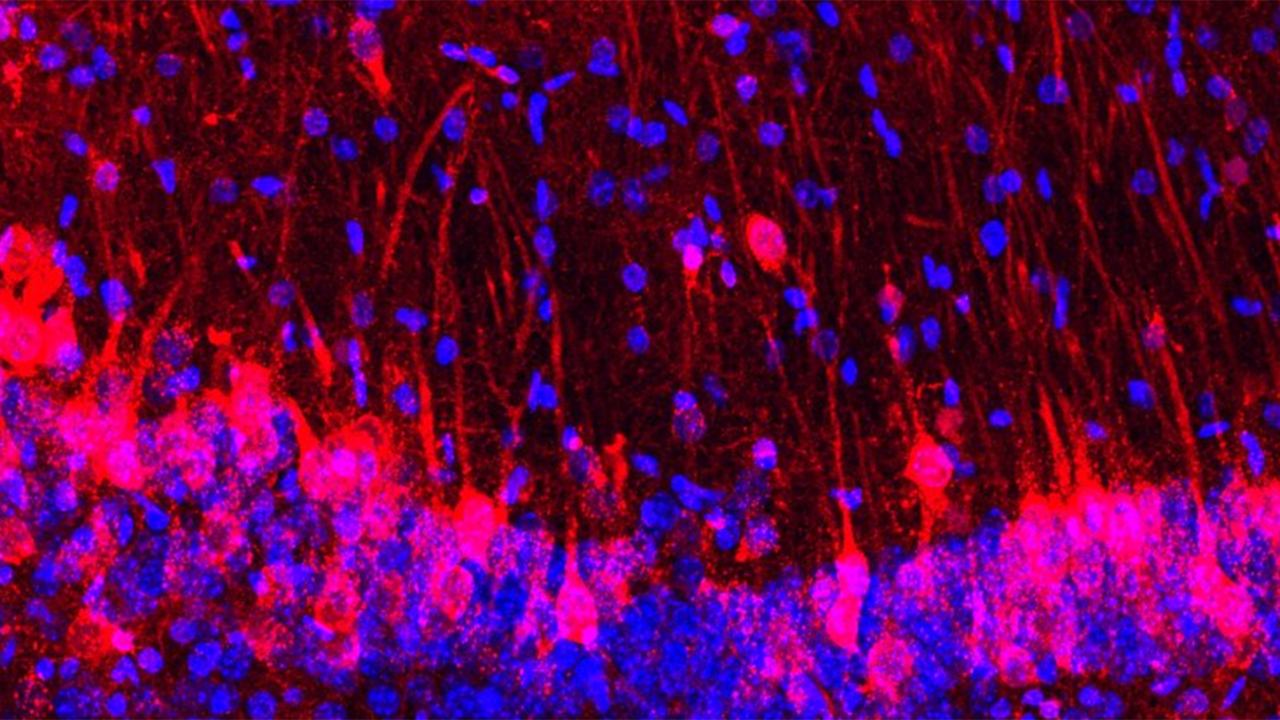
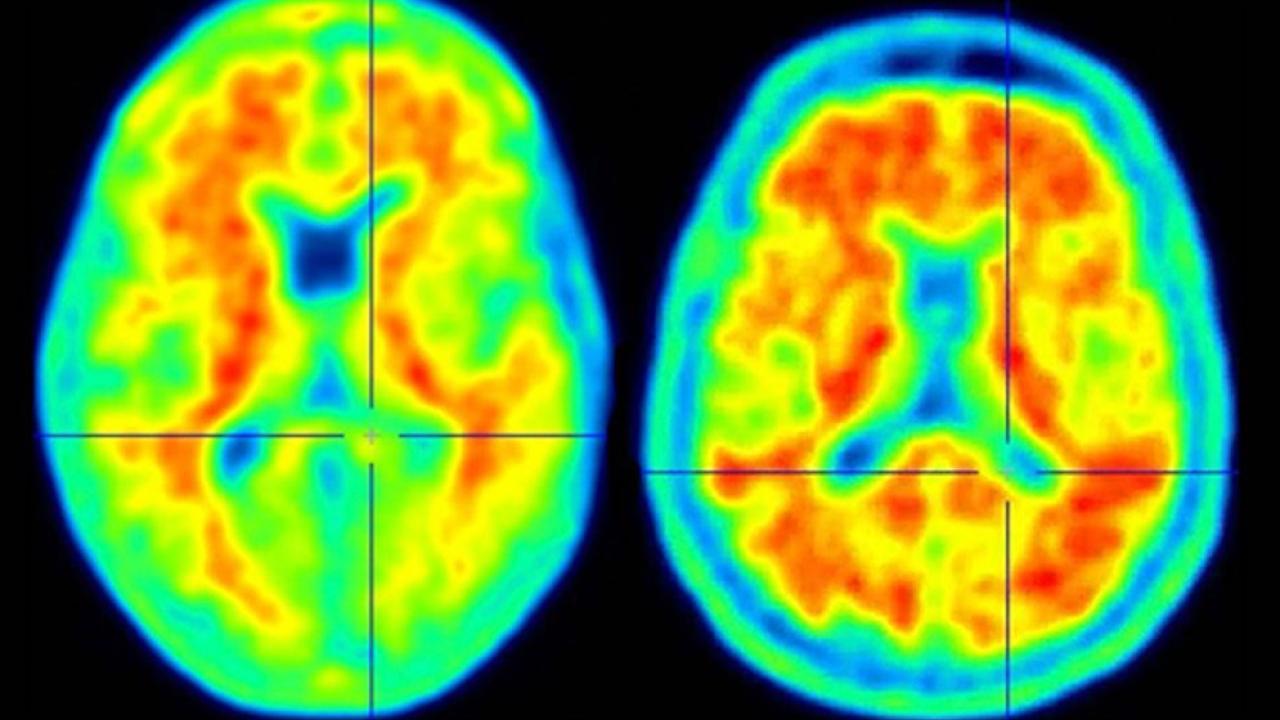
| New research beginning on Lyme disease, and it's relationship to neuroinflammation, brain injury (traumatic or atraumatic) and persistent symptomatology. Continued interest in mood effects of deep brain stimulation (DBS) in Parkinson's disease (PD). He has found that subthalamic DBS has stimulant or dopamine-like effects in PD. Withdrawal or excess of meds or DBS may increase post-operative DBS suicide risk. DBS could be used to stabilize mood in select patients.

|
 |
1. Hardesty, DE and Sackeim, HA: Deep Brain Stimulation in Movement and Psychiatric Disorders . Biological Psychiatry 2007;61: 831-835
2. Hardesty DE, Maraganore DM, Matsumoto JY, Louis ED: Increased risk of head tremor in women with essential tremor: longitudinal data from the Rochester Epidemiology Project. Movement Disorders 2004;19: 529-533
3. Louis ED, Hardesty DE, Maraganore DM, Matsumoto JY: Reply: Sex and tremor location: Similarities between essential tremor and cervical dystonia. . Movement Disorders 2005;20: 120
4. McCall WV, Robinette GD, Hardesty D.: Relationship of seizure morphology to the convulsive threshold.. Convulsive Therapy (now Journal of ECT) 1996;12: 147-151
|
 |
|
FACULTY ONLY


|
|
|