Brian Fallon, M.D., M.P.H., M.Ed.
Professor of Clinical Psychiatry
Director, Lyme and Tick-Borne Diseases Research Center ,
Columbia University
Director, Center for the Study of Neuroinflammatory Disorders & Biobehavioral Medicine,
Columbia University
Brian A. Fallon, MD, MPH, is the director of the Center for Neuroinflammatory Disorders and Biobehavioral Medicine and director of the Lyme and Tick-Borne Diseases Research Center at Columbia University.
A graduate of Harvard College, he obtained his M.D. degree from the Columbia University College of Physicians and Surgeons, as well as a master's degree in public health epidemiology from Columbia University.
He did his medical internship at Columbia University Medical Center and research training and an NIH fellowship in biological psychiatry at Columbia Presbyterian Medical Center and the New York State Psychiatric Institute.
In addition to his work on illness anxiety, hypochondriasis, obsessive compulsive disorder, and somatoform disorders, Dr. Fallon is recognized internationally for his research on neurologic and neuropsychiatric Lyme disease. He has served on expert panels for the National Institutes of Health in different areas, including OCD and neurologic and chronic Lyme Disease, and has received over $10 million in both private and governmental grants to continue his research. He is the recipient of many awards, including the Laughlin Award from the American College of Psychiatrists, two commencement awards from the Columbia University College of Physicians and Surgeons (Richard Raynor Watson Award and the Titus Munson Coan Prize for best essay in Biomedical Research ("The Rise of Tuberculosis among the Homeless Mentally Ill"), the Columbia University Horwitz Award for excellence in Research, the Columbia Universit Medical Student Teacher of the Year award for psychiatry, a NARSAD Principal Investigator Award (2006), and the Roseke award from the American Psychaitric Association for outstanding teaching to medical students (2008). His major research interests cut across the boundaries of medicine, psychiatry, nuclear medicine and neurology. A primary focus is on the pathophysiologic mechanisms and treatment underlying persistent cognitive impairment, fatigue, and pain among patients with histories of Lyme or other Tick borne diseases. This interest leads to collaborative studies involving proteomics, genomics, neuroimaging, cognitive remediation, treatment trials, and the search for more sensitive and specific diagnostic biomarkers. This expertise has also led to new projects in psychiatry, such a a NARSAD funded study of the role of ceftriaxone (an IV antibiotic) as a treatment for patients with refractory psychoses, examining improvement clinically and in glutamatergic change using MR Spectroscopy. Dr. Fallon is also a leader in the area of somatoform disorders, particularly the pharamcotherapy of hypochondriasis and is currently conducting both treatment and functional neuroimaging studies in these areas and serves as an advisor to the Anxiety and Obsessional Disorders DSM-V workgroup.
Undergraduate: Harvard College, B.A., 1976
Graduate: Harvard University, M.Ed., 1978
Medical School: Columbia University, M.D., 1985
Internship: Columbia-Presbyterian Medical Center, Medicine, 1985 - 1986
Residency: NYS Psychiatric Institute/New York Presbyterian Hospital, Psychiatry, 1986 - 1989
Fellowship: NYS Psychiatric Institute/Columbia University., Therapeutics & Clinical Research, 1989 - 1991
Post-Graduate: Columbia University Psychoanalytic Institute, Psychodynamic Psychotherapy, 1989-1990
Board Certifications: American Board of Psychiatry & Neurology
• Lyme and Tick-Borne Diseases
• Somatoform Disorders
• Obsessive Compulsive Disorder
Click here for Dr. Fallon's Clinical Trials
Address:
NYS Psychiatric Institute
Room 3724 Unit/Box:69
1051 Riverside Drive
New York, NY 10032
Phone: 212-543-5487
Fax: 212-543-6515
baf1@Columbia.edu
Personal Homepage
Primary research interests include: a)diagnostic and treatment studies of neurologic and chronic Lyme disease, using neuroimaging to identify markers of neuroinflammation; b)clinical resarch neuroimaging and treatment trials of hypochondriasis; and studies of immune markers in patients with somatic symptoms.
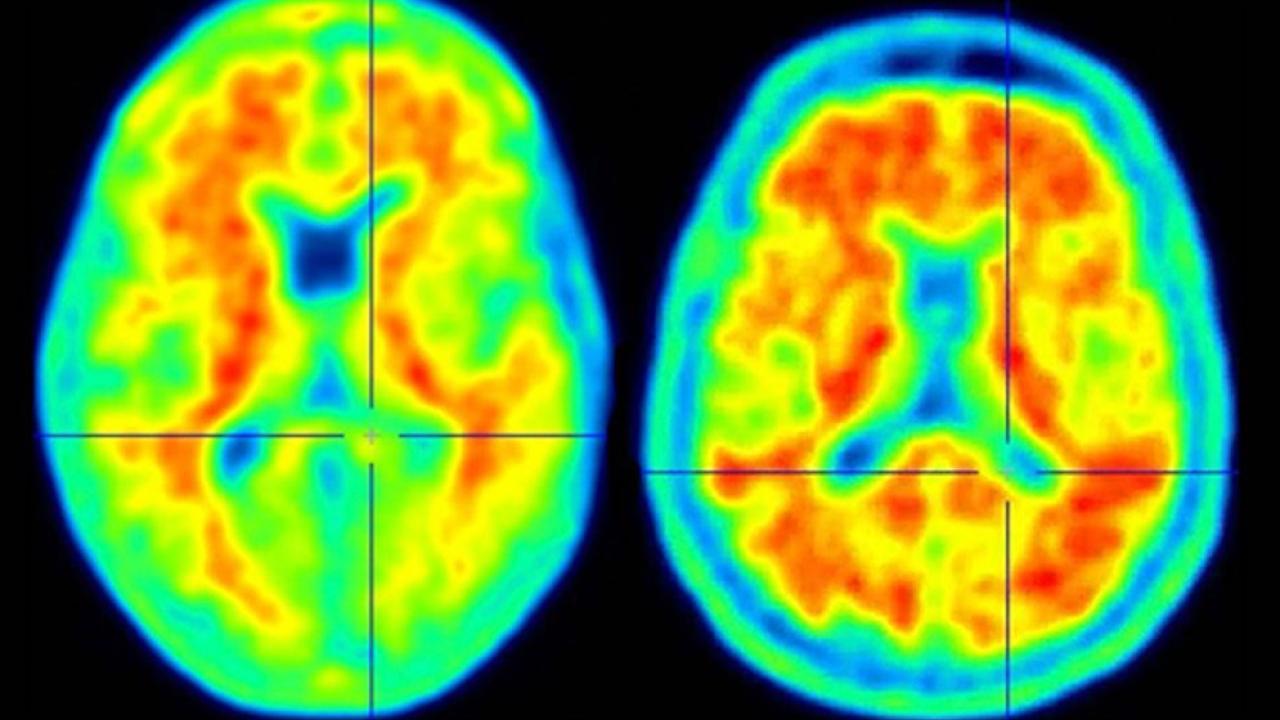
1. Fallon BA, Lipkin RB, Corbera KM, Yu S, Nobler MS, Keilp JG, Petkova E, Lisanby SH, Moeller JR, Slavov I, Van Heertum R, Mensh BD, Sackeim HA. : Regional Cerebral Blood Flow and Metabolic Rate in Persistent Lyme Encephalopathy. . Archives of General Psychiatry 2009;66: 554-563
2. Fallon BA: Neuropsychiatric Aspects of Non-HIV Infectious Diseases. In Comprehensive Textbook of Psychiatry, Ninth Edition. Eds. Sadock, Sadock, Ruiz , Lippincott Williams and Wilkins, NYC, NY, USA, 2009
3. Fallon BA, Petkova E, Skritskaya N, Sanchez-Lacay A, Schneier F, Vermes D, Cheng J, Liebowitz MR.: A double-masked placebo-controlled study of fluoxetine for hypochondriasis. . Journal of Clinical Psychopharmacology 2008;28: 638-645
4. Fallon BA, Keilp JG, Corbera KM, Petkova E, Britton CB, Dwyer E, Slavov I, Cheng J, Dobkin J, Nelson DR, Sackeim HA. : A Randomized, Placebo-Controlled Trial of Repeated IV Antibiotic Therapy for Lyme Encephalopathy. 2008; 70 (13); 992-1003) (Epub 10/2007). Neurology 2008;70: 992-1003
5. Fallon BA, Liebowitz MR, Campeas R, Schneier FR, Marshall R, Davies S, Goetz D,Klein DF: Intravenous clomipramine for OCD refractory to oral clomipramine: a controlled study. Archives of General Psychiatry 1998;55: 918-924